Blindness | Mimi Bebe
Blindness, the complete or near-complete absence of sight, profoundly shapes an individual's interaction with the world. Historically, societal responses have…
Contents
- 👁️ Understanding Visual Impairment
- 📏 Defining Blindness and Low Vision
- 🚶♀️ Impact on Daily Life
- 💡 Corrective Measures and Assistive Devices
- 🩺 Medical Considerations and Temporary Impairment
- 🌍 Global Prevalence and Statistics
- ⚖️ Legal Definitions and Rights
- 🚀 Future Outlook and Innovations
- Frequently Asked Questions
- Related Topics
Overview
Blindness, the complete or near-complete absence of sight, profoundly shapes an individual's interaction with the world. Historically, societal responses have ranged from exclusion to specialized institutions, with significant shifts driven by advocacy for inclusion and accessibility. Modern understanding emphasizes the diverse experiences of blindness, recognizing it not just as a medical condition but as a social and cultural identity. Technological advancements, from braille to AI-powered navigation tools, continuously redefine possibilities, while ongoing debates focus on equitable access, representation, and the very definition of 'normal' vision.
👁️ Understanding Visual Impairment
Visual impairment encompasses a spectrum of conditions affecting sight, ranging from mild blurriness to complete absence of vision. This impairment can significantly hinder an individual's ability to navigate the world and perform everyday activities. The root causes are diverse, including congenital conditions, age-related diseases, injuries, and chronic illnesses. Understanding the nuances of visual impairment is the first step towards effective support and accessibility.
📏 Defining Blindness and Low Vision
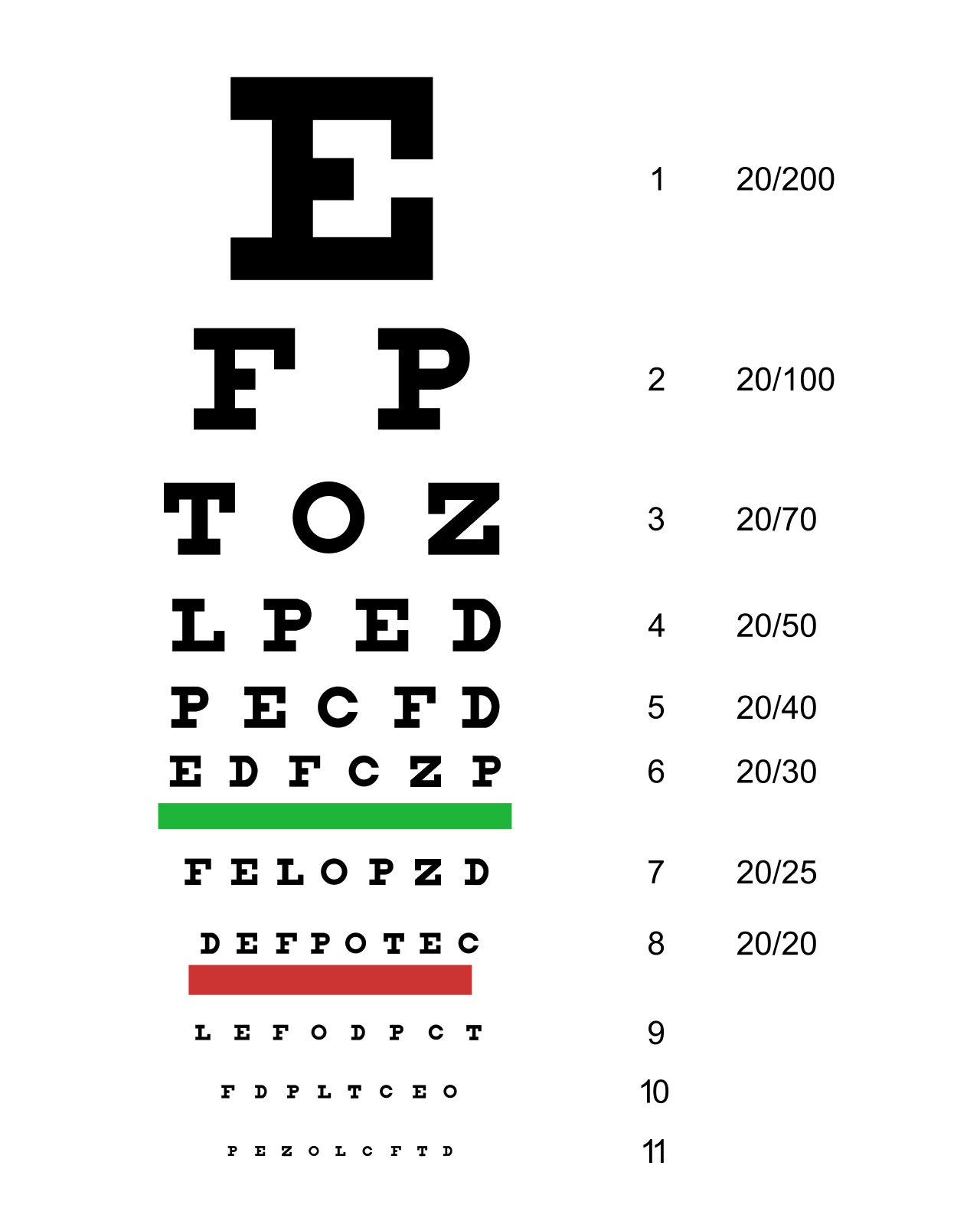
Blindness is typically defined as a severe visual impairment, often characterized by a best-corrected visual acuity of 20/200 or worse in the better eye, or a visual field of 20 degrees or less. Low vision, on the other hand, refers to a significant visual impairment that cannot be fully corrected with standard eyewear, glasses, or contact lenses, but still allows for some usable vision. These distinctions are crucial for determining eligibility for services and accommodations.
🚶♀️ Impact on Daily Life
The impact of visual impairment on daily life can be profound, affecting tasks such as reading, recognizing faces, navigating unfamiliar environments, and even performing basic self-care. Without appropriate support, individuals may face challenges in education, employment, and social participation. The degree of impact often correlates with the severity of the vision loss and the availability of adaptive strategies and technologies.
💡 Corrective Measures and Assistive Devices
Fortunately, numerous interventions can mitigate the effects of visual impairment. Corrective eyewear, including specialized glasses and contact lenses, can address refractive errors. For more significant impairments, [[assistive devices]] like [[screen readers]], [[magnifiers]], [[braille displays]], and [[white canes]] play a vital role in enhancing independence and access to information and mobility.
🩺 Medical Considerations and Temporary Impairment
Certain medical conditions can lead to temporary or permanent vision loss. Conditions like [[glaucoma]], [[macular degeneration]], [[diabetic retinopathy]], and [[cataracts]] are common causes of irreversible vision impairment. Fleeting vision loss, known as amaurosis fugax, can be a warning sign for serious underlying health issues, such as stroke, necessitating immediate medical attention.
🌍 Global Prevalence and Statistics
Globally, hundreds of millions of people live with some form of visual impairment. According to the [[World Health Organization]], an estimated 285 million people are visually impaired worldwide, with 39 million being blind. The majority of visual impairment is preventable or treatable, highlighting the importance of accessible eye care and public health initiatives.
⚖️ Legal Definitions and Rights
Legal definitions of blindness and low vision vary by jurisdiction and are often tied to eligibility for government benefits, disability services, and legal protections. These definitions typically rely on standardized visual acuity measurements and visual field assessments. Understanding these legal frameworks is essential for advocating for one's rights and accessing available resources.
🚀 Future Outlook and Innovations
The future of addressing visual impairment is bright, driven by rapid advancements in technology and medical research. Innovations in [[gene therapy]], [[bionic eyes]], and sophisticated [[AI-powered assistive technologies]] promise to further enhance the capabilities and independence of individuals with vision loss. Continued research and development are key to overcoming remaining challenges.
Key Facts
- Year
- 1990
- Origin
- World Health Organization (WHO) definition of blindness
- Category
- Disability & Accessibility
- Type
- Topic
Frequently Asked Questions
What is the difference between blindness and low vision?
Blindness is generally defined as a best-corrected visual acuity of 20/200 or worse, or a severely restricted visual field. Low vision refers to a significant visual impairment that cannot be fully corrected with standard eyewear, but still allows for some usable vision. Both impact daily tasks but to varying degrees.
What are common causes of visual impairment?
Common causes include age-related conditions like macular degeneration and cataracts, diabetic retinopathy, glaucoma, uncorrected refractive errors, and injuries. Congenital conditions can also lead to visual impairment from birth.
What are some examples of assistive devices for visual impairment?
Examples include screen readers (like JAWS or NVDA) for computers and smartphones, magnifiers (handheld or electronic), braille displays, talking watches, and specialized apps that can identify objects or read text aloud.
How can someone with visual impairment improve their mobility?
Mobility can be enhanced through training with a [[white cane]] to detect obstacles, learning [[orientation and mobility (O&M)]] techniques, and utilizing GPS-based navigation apps designed for visually impaired users. Guide dogs are also a significant aid for many.
Are there legal rights for individuals with visual impairment?
Yes, many countries have laws like the [[Americans with Disabilities Act (ADA)]] in the U.S. that protect the rights of individuals with disabilities, including visual impairment, ensuring access to public spaces, employment, and reasonable accommodations.
What is amaurosis fugax?
Amaurosis fugax is a temporary episode of vision loss, often described as a curtain coming down over the eye. It can be a symptom of serious underlying medical conditions, such as a transient ischemic attack (TIA) or stroke, and requires immediate medical evaluation.